MP SCAN Starter Kit
Microscopio per individuare microplastiche.
Sistema ottico portatile per lo screening visivo di campioni d'acqua preparati, pensato per demo professionali, partner e distributori.

Trusted Water Coach
Sergio Upham — N°1 International Water Coach
- Osservazione direttaSul display del dispositivo.
- PortatilePronto per demo sul campo.
- Sistema riutilizzabileSi sostituiscono solo i refill.
- Pensato per le demoSupporta la conversazione con un riscontro visivo.
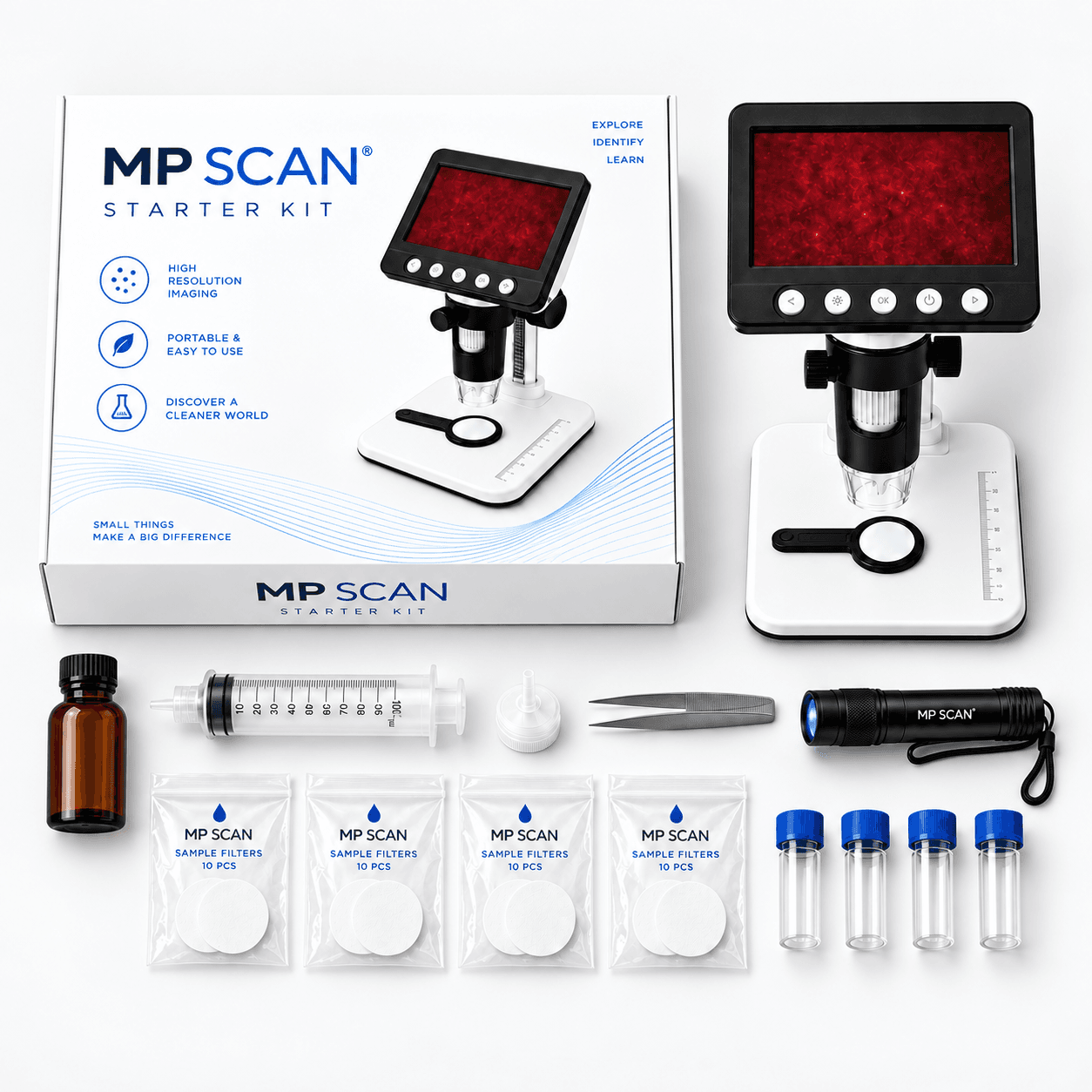
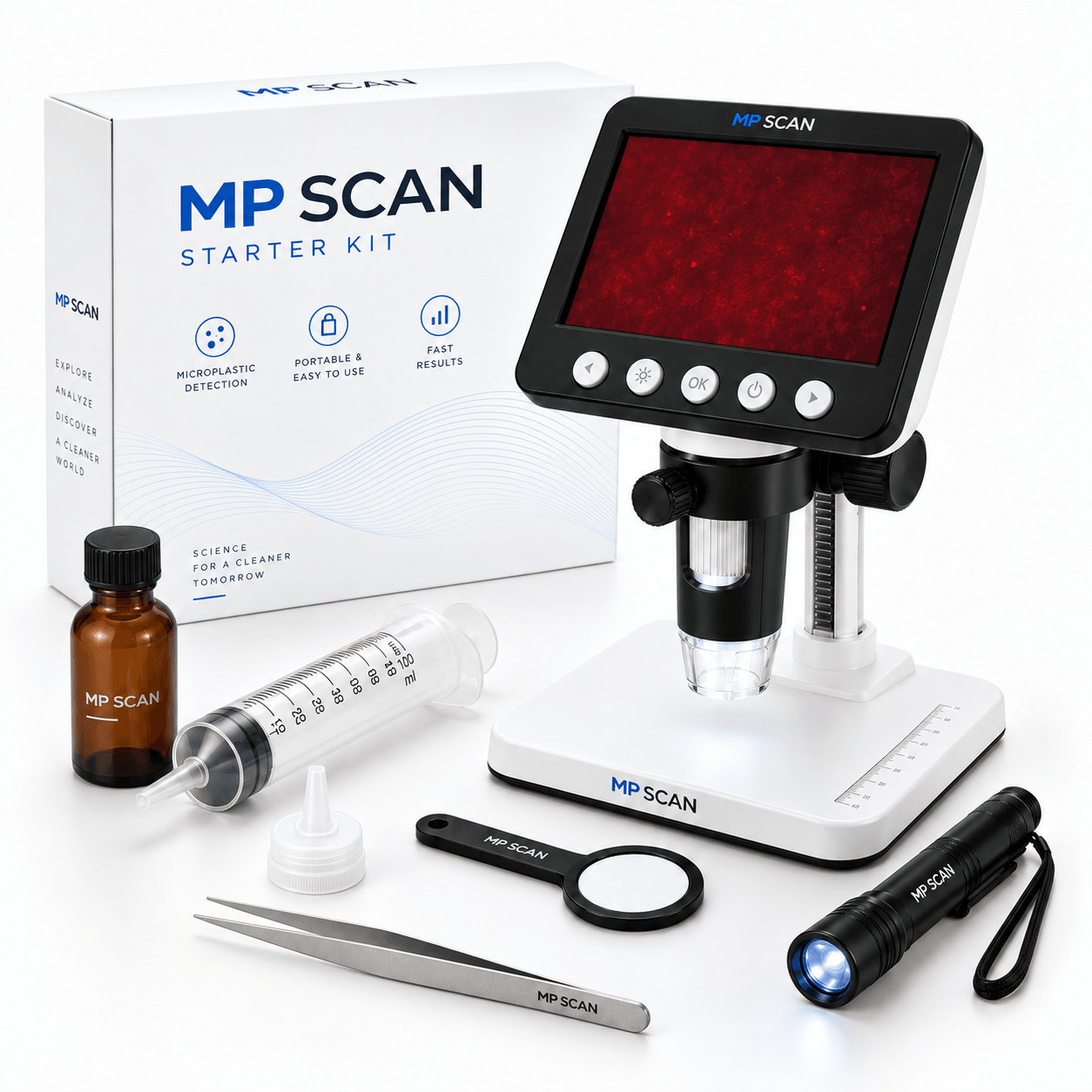
MP SCAN Starter Kit
Tutto ciò che serve per iniziare.
€249,97- MP SCAN riutilizzabile
- 4 test inclusi
- Accessori di campionamento
- Materiali Quick Start
- Water Coach · eBook incluso
Pagamento unico · Nessun abbonamento
- Pagamento sicuro
- Spedizione calcolata al checkout
MP SCAN Starter Kit
€249,97
Ingrandimento ottico 10x · Lettura diretta sul dispositivo
Dato USA
+38%
Negli Stati Uniti, l'integrazione di una dimostrazione visiva di questo tipo ha generato un +38% di conversione.
Ora questo approccio arriva nel mercato italiano.
Portalo nelle tue demo prima che diventi uno standard.
Negli USA questo approccio ha generato un +38% di conversione. I primi 150 kit MP SCAN stanno ora entrando nel mercato italiano — 117 di 150 kit già assegnati.
Calcola il tuo potenziale.
Applica il dato USA alle tue demo reali — aggiorna i valori, il risultato cambia subito.
30
25%
Inserisci il margine medio che ti rimane per vendita.
€500
Valore potenziale aggiuntivo
+€1.425/ mese
+€17.100/ anno
25% → 34,5%
+2,85 vendite / mese
Vendite aggiuntive dalle demo che già fai
Rientro teorico: meno di 1 vendita aggiuntiva
Il +38% riflette risultati osservati nel mercato USA. La simulazione applica quel dato ai valori inseriti dall'utente e non costituisce una garanzia di risultato.
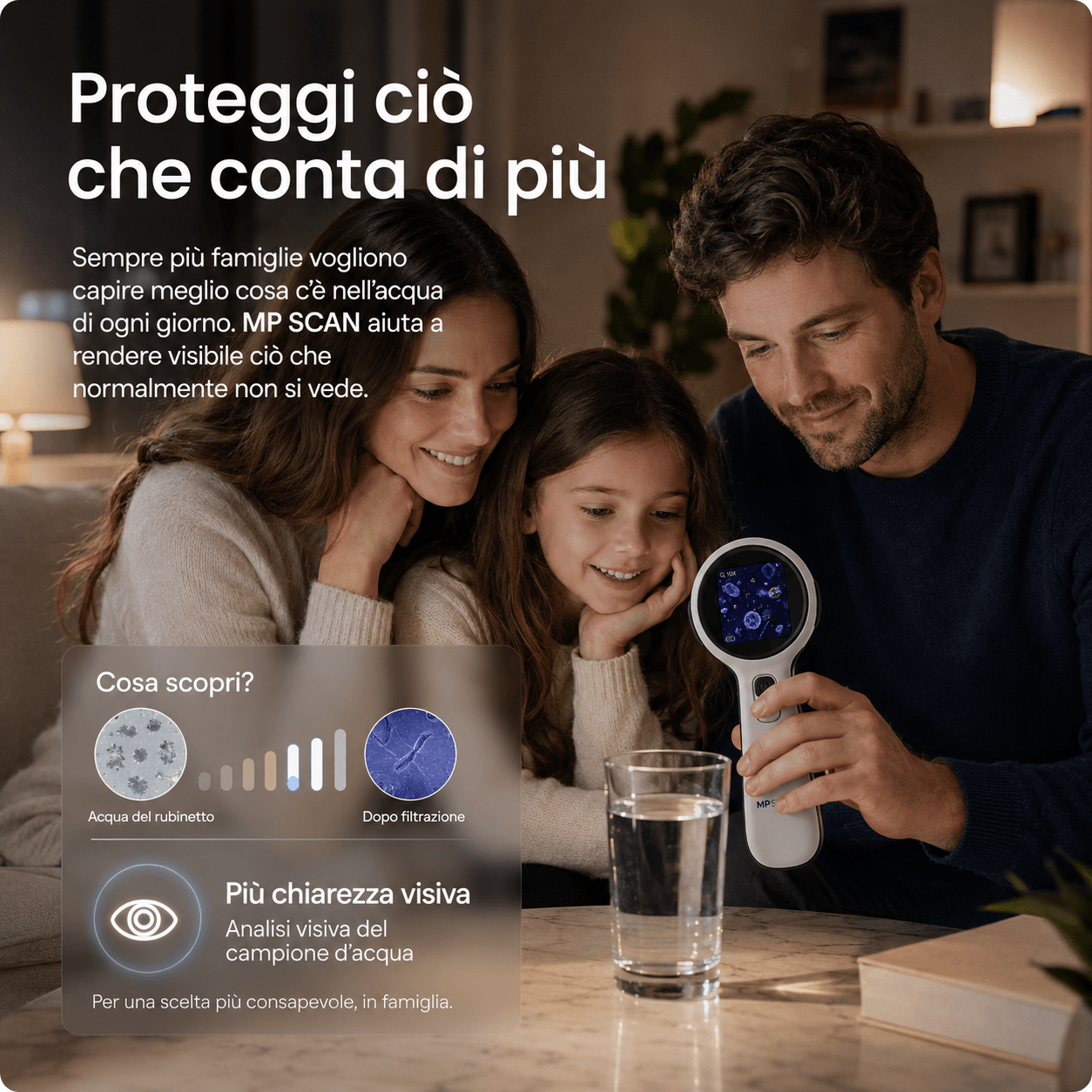
Pensato per i professionisti
Progettato per demo commerciali, formazione e contesti applicativi sul campo.
Scienza che si vede
Osservazione diretta del campione preparato, non un'interpretazione automatica.
Lettura sul dispositivo
Il campo ottico si osserva sul display, senza passare da un computer.
Sistema riutilizzabile
Il dispositivo resta, si sostituiscono solo i refill.
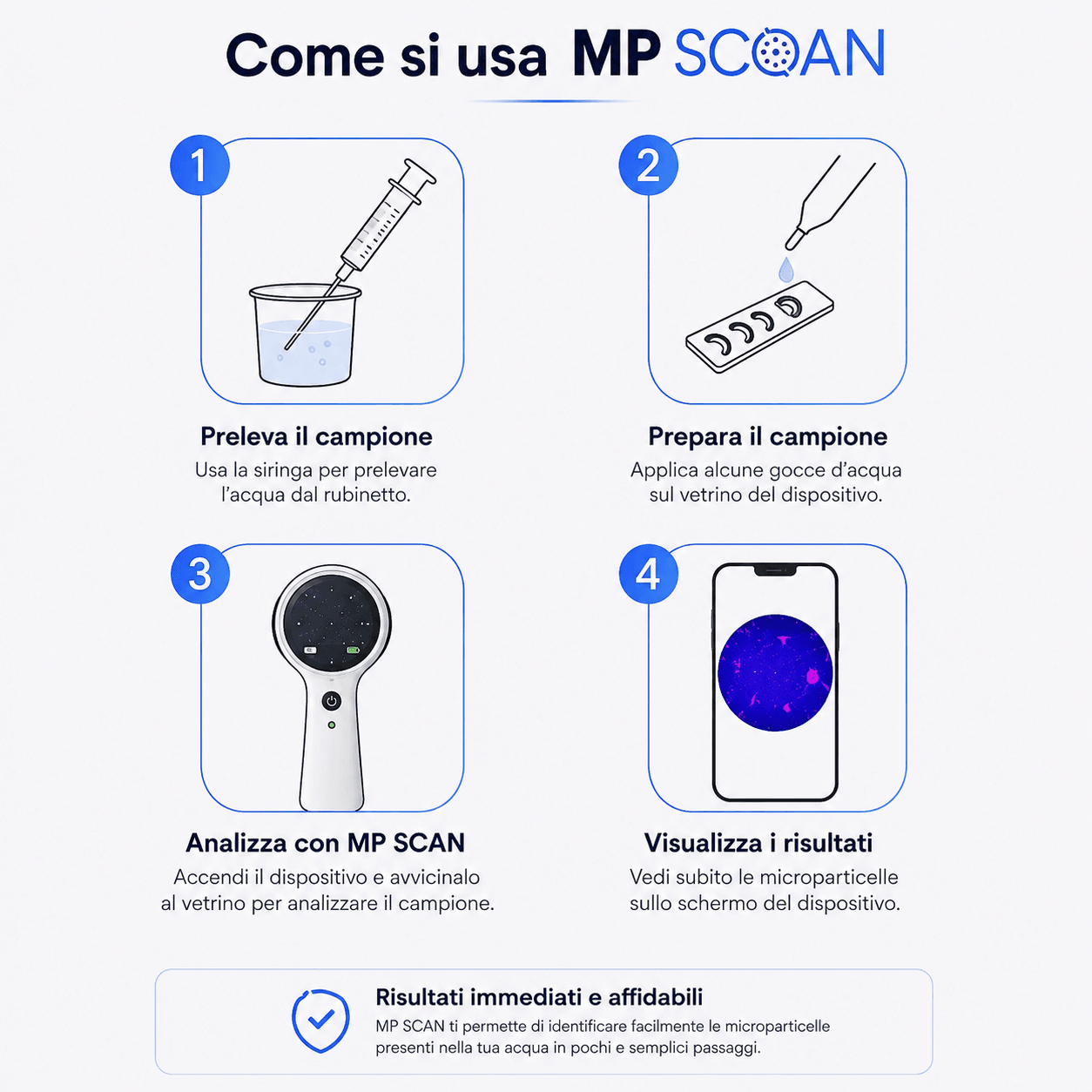
Come funziona
- 01
Preleva
Raccogli il campione d'acqua da esaminare.
- 02
Prepara
Usa il refill di screening per preparare il campione.
- 03
Osserva
Inquadra il campione preparato con MP SCAN.
- 04
Confronta
Mostra e condividi ciò che si vede.
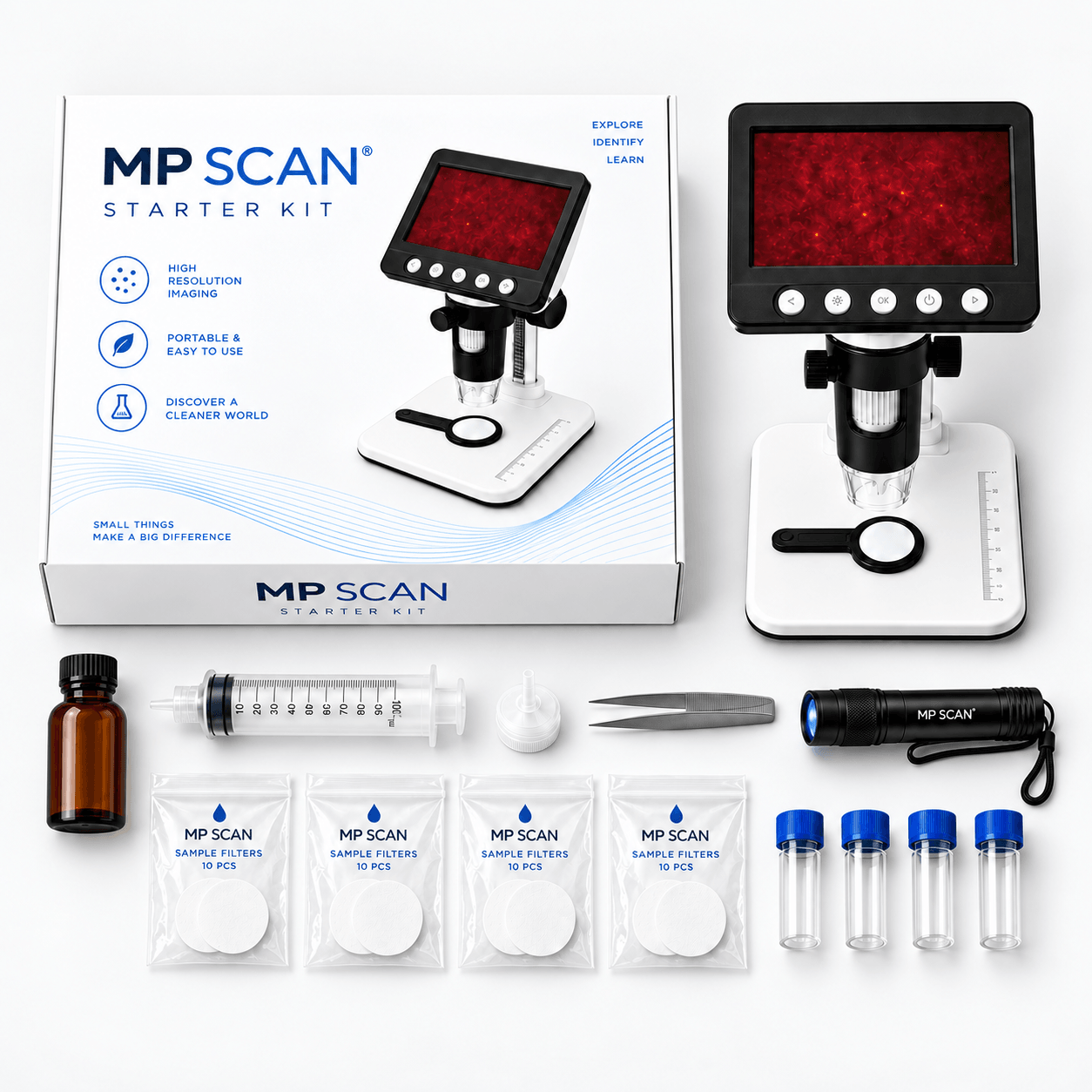
Cosa c'è nello Starter Kit.
Tutto quello che serve per fare la prima demo il giorno stesso.
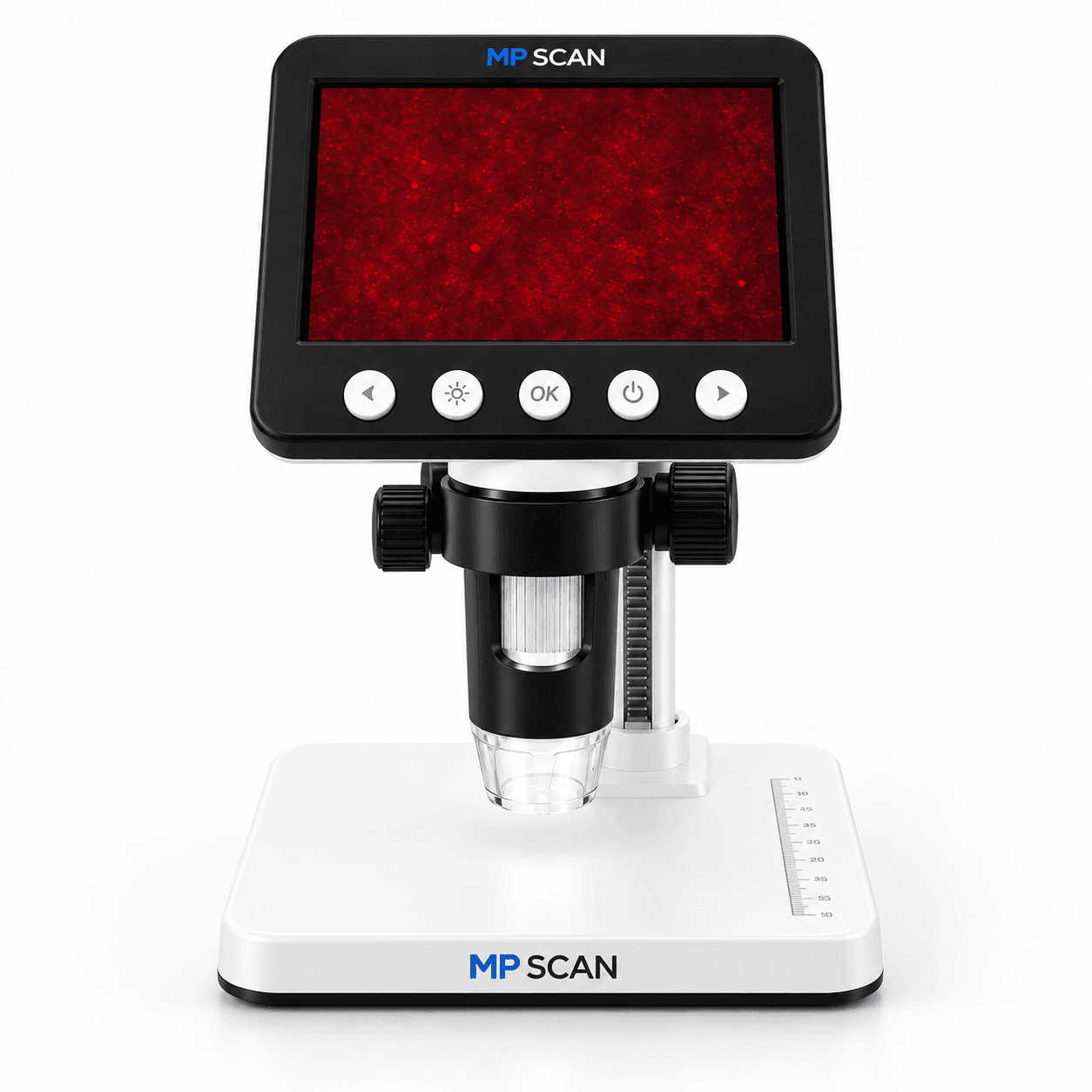
Dispositivo MP SCAN
Il lettore ottico riutilizzabile.
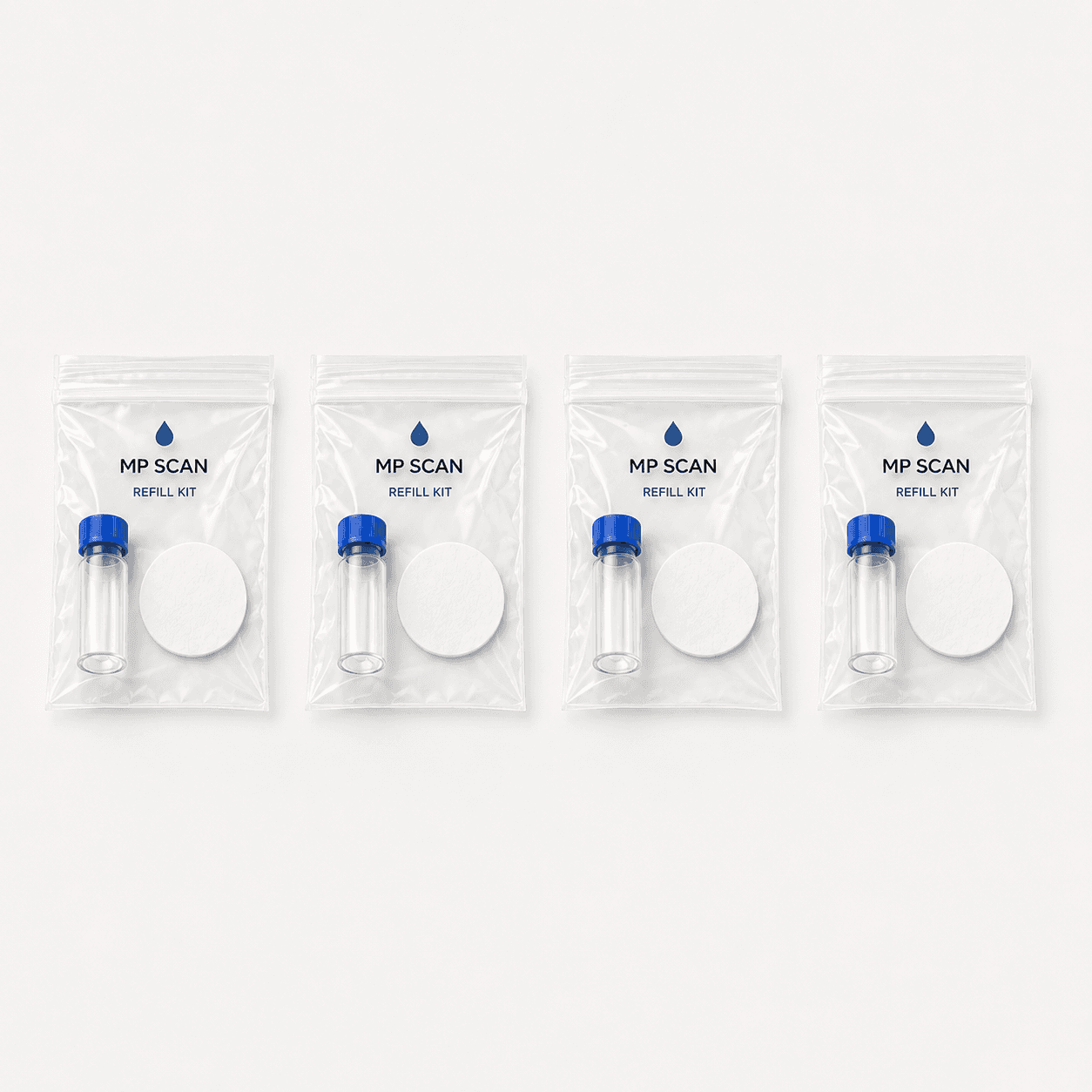
4 refill inclusi
4 demo complete, pronte all'uso.
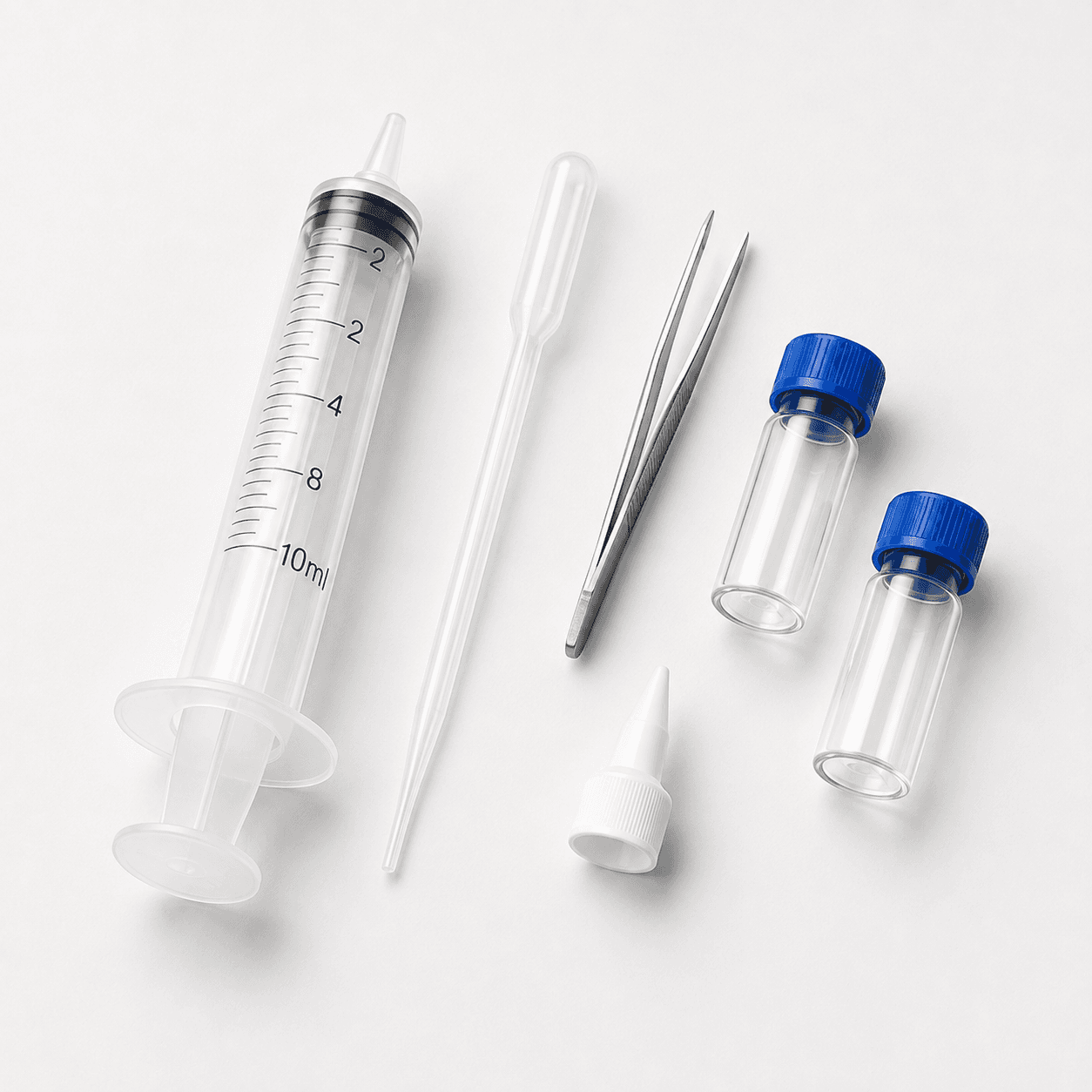
Accessori di prelievo
Il necessario per raccogliere il campione.
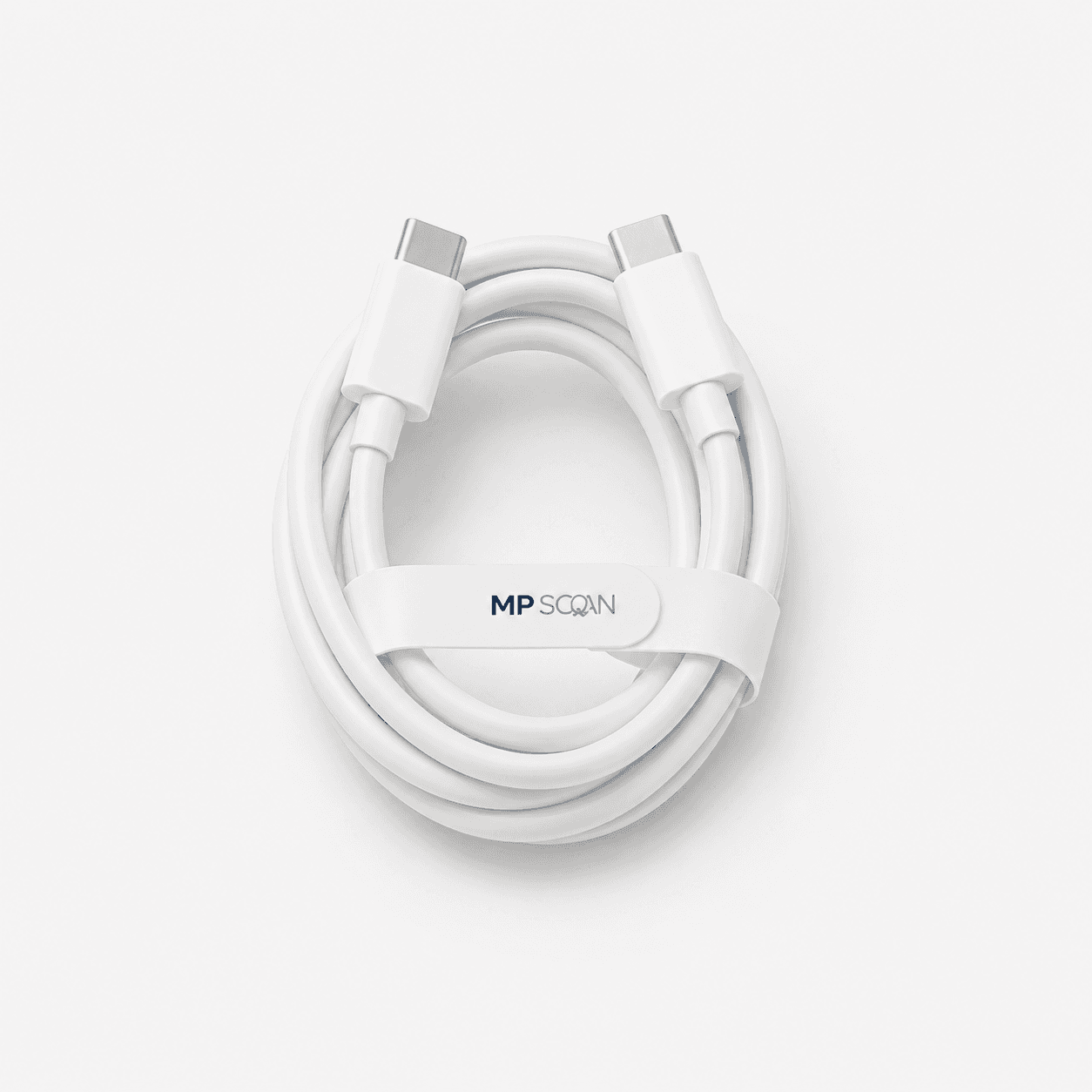
Cavo USB-C
Ricarica standard, nessun alimentatore dedicato.
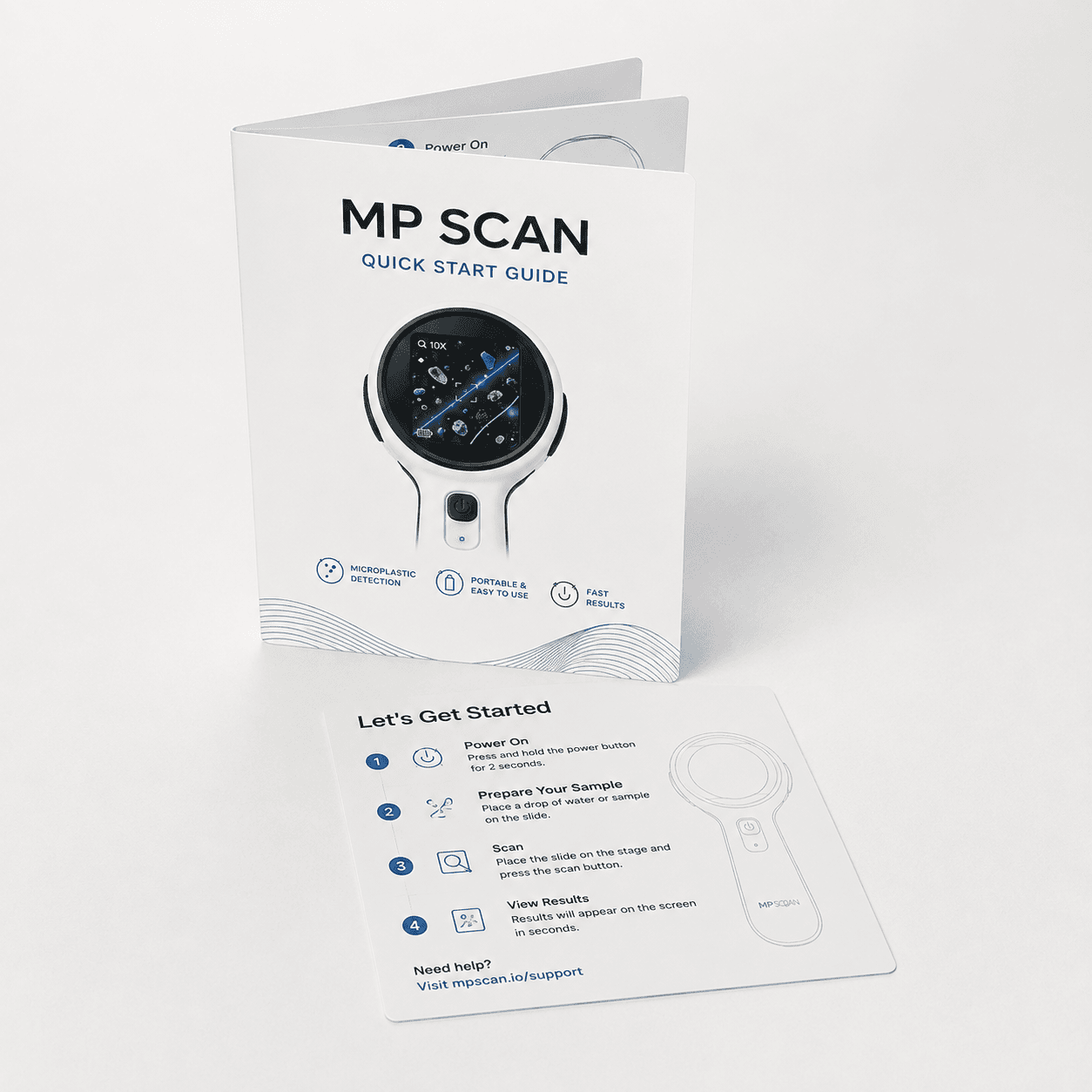
Materiali di avvio
Dalla scatola alla prima demo.
Come funzionano i refill
Il dispositivo si compra una volta sola. I refill sono il consumabile del sistema: uno per demo.
Nel kit
4 refill
inclusi nell'acquisto
Ogni refill
1 demo
un campione preparato, un'osservazione completa
Il dispositivo resta, si sostituiscono solo i refill.
Campo di osservazione — rappresentazione illustrativa
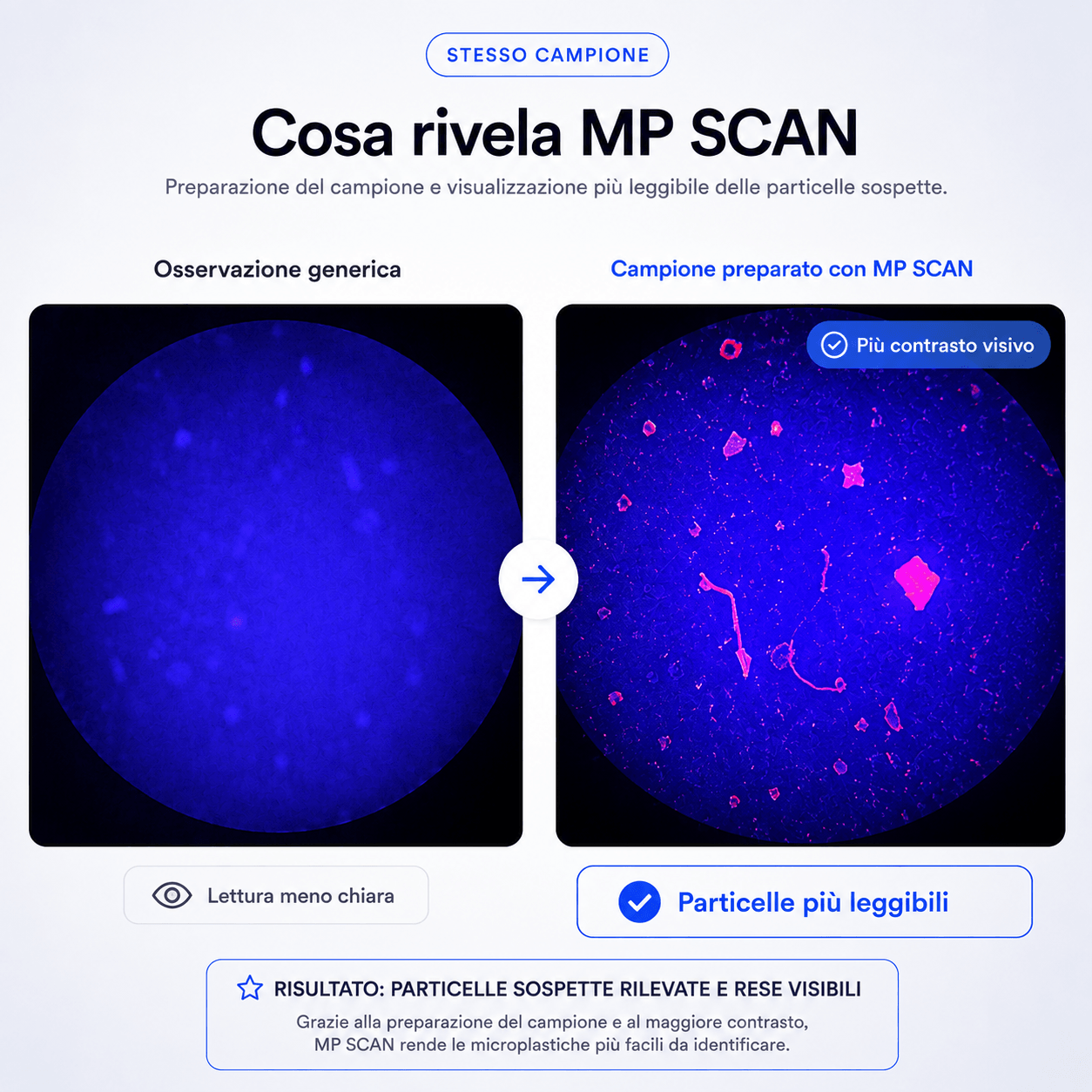
Cosa si vede
Il campione preparato, direttamente sul display.
Il campione viene preparato con il refill di screening e osservato con MP SCAN. Le strutture microscopiche presenti nel campione diventano visibili sul display, senza collegare nulla a un computer.
- Osservazione diretta, sul posto
- Nessun software da installare
- Facile da mostrare a un cliente
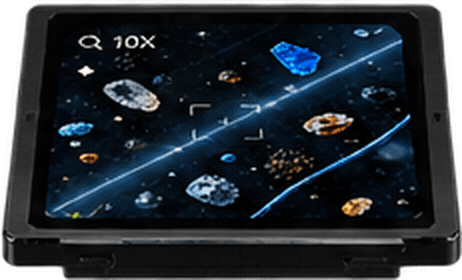
Il modulo display integrato mostra il campo ottico letto dal sensore. Le immagini di campione riportate in pagina sono illustrative.
Sistema ottico
Ottica in più strati, su un unico asse.
Il gruppo ottico di MP SCAN è costruito attorno a una sola cosa: la vista. Lenti allineate, illuminazione controllata e lettura digitale diretta sul dispositivo.
- Sistema ottico a più elementi
- Un gruppo di lenti allineate su un unico asse ottico porta in vista strutture non distinguibili a occhio nudo.
- Illuminazione controllata
- Un anello di illuminazione dedicato rende il campione preparato leggibile in modo uniforme.
- Osservazione digitale
- Il campo ottico viene letto da un sensore e mostrato direttamente sul display del dispositivo.
- Lettura immediata
- Nessun collegamento a un computer: si osserva e si mostra sul posto.
Le specifiche ottiche complete saranno pubblicate una volta confermate. Sul display del dispositivo è indicato l'ingrandimento 10x.
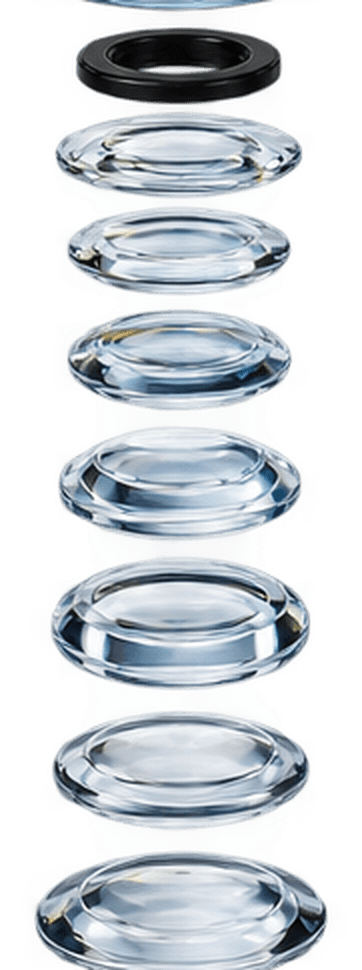
Architettura interna illustrativa. Le specifiche finali possono variare.
La ricerca in corso
Le microplastiche vanno più lontano di quanto si pensasse.
Negli ultimi anni diversi studi hanno rilevato microplastiche in tessuti e fluidi biologici umani. È un tema di crescente attenzione scientifica, ancora in fase di studio.
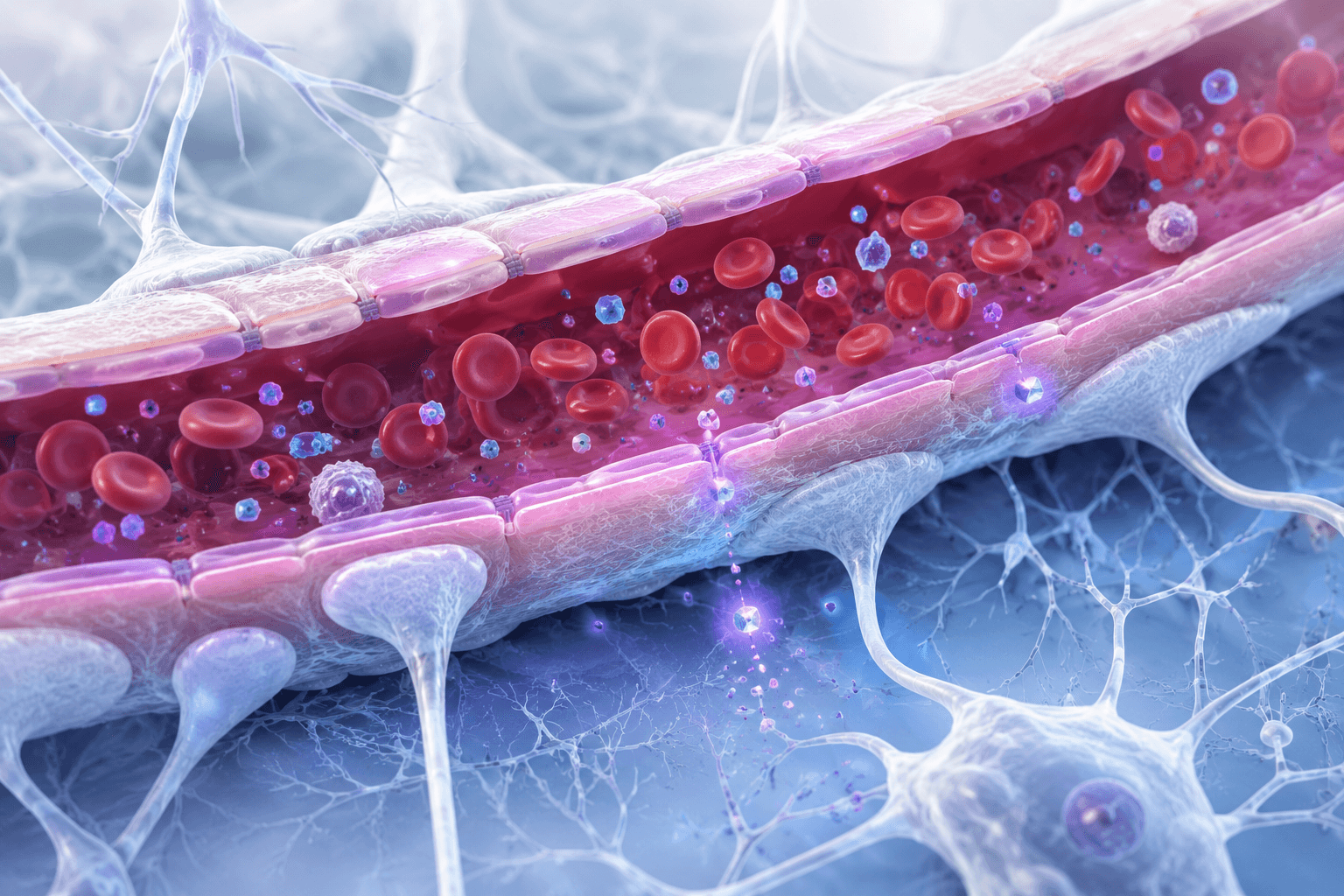
Barriera emato-encefalica
Alcune ricerche indicano che particelle plastiche molto piccole possano attraversare barriere biologiche importanti. Gli studi sono in corso e i risultati vanno interpretati con cautela.
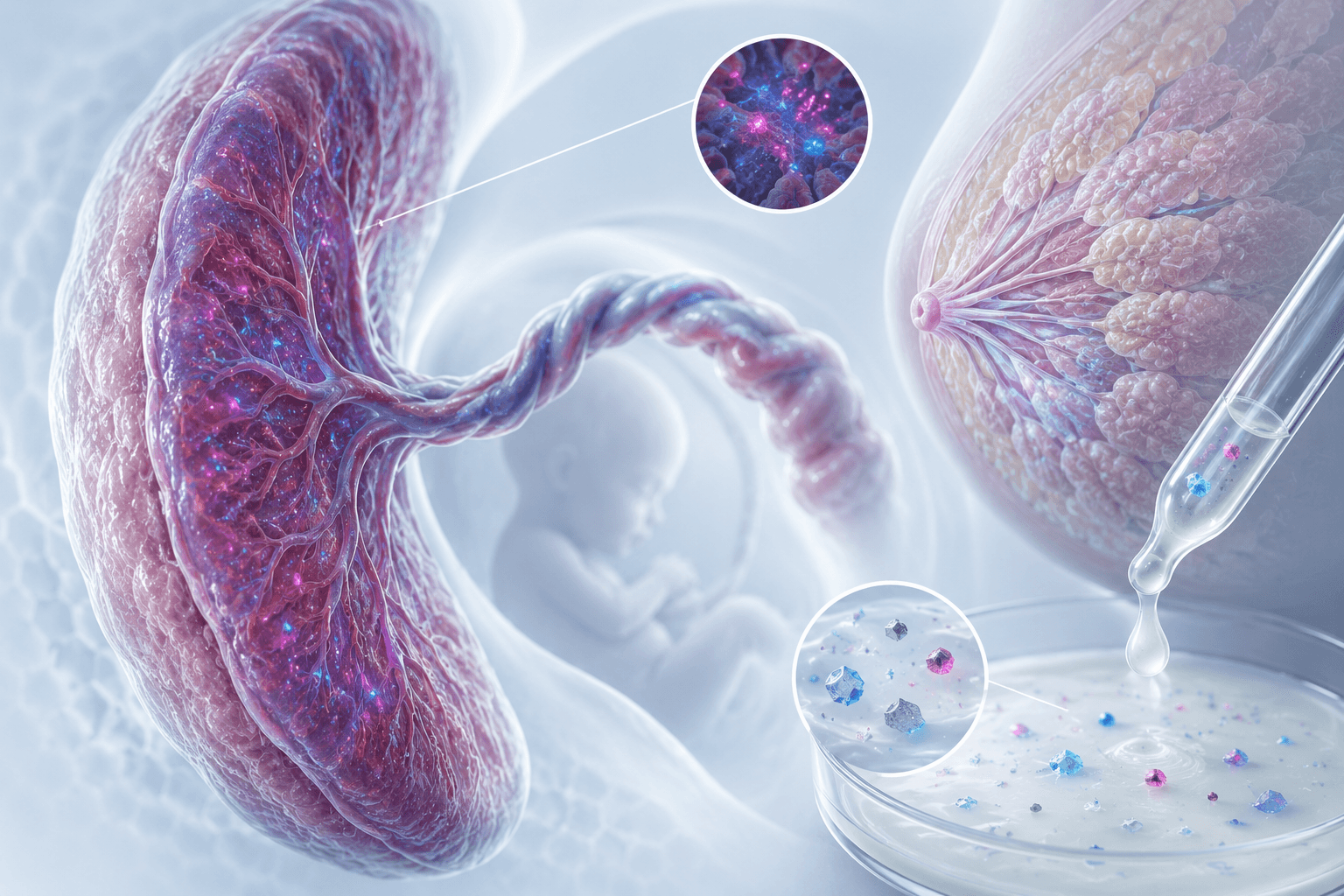
Placenta e latte materno
La presenza di microplastiche è stata riportata in placenta e latte materno. Le implicazioni per la salute sono tuttora oggetto di studio.
Le microplastiche sono state rilevate nell'acqua potabile, in bottiglia e di rete.
Sono state riportate lungo la catena alimentare, dai prodotti ittici ai cibi confezionati.
La ricerca ne ha documentato la presenza in tessuti e fluidi biologici umani.
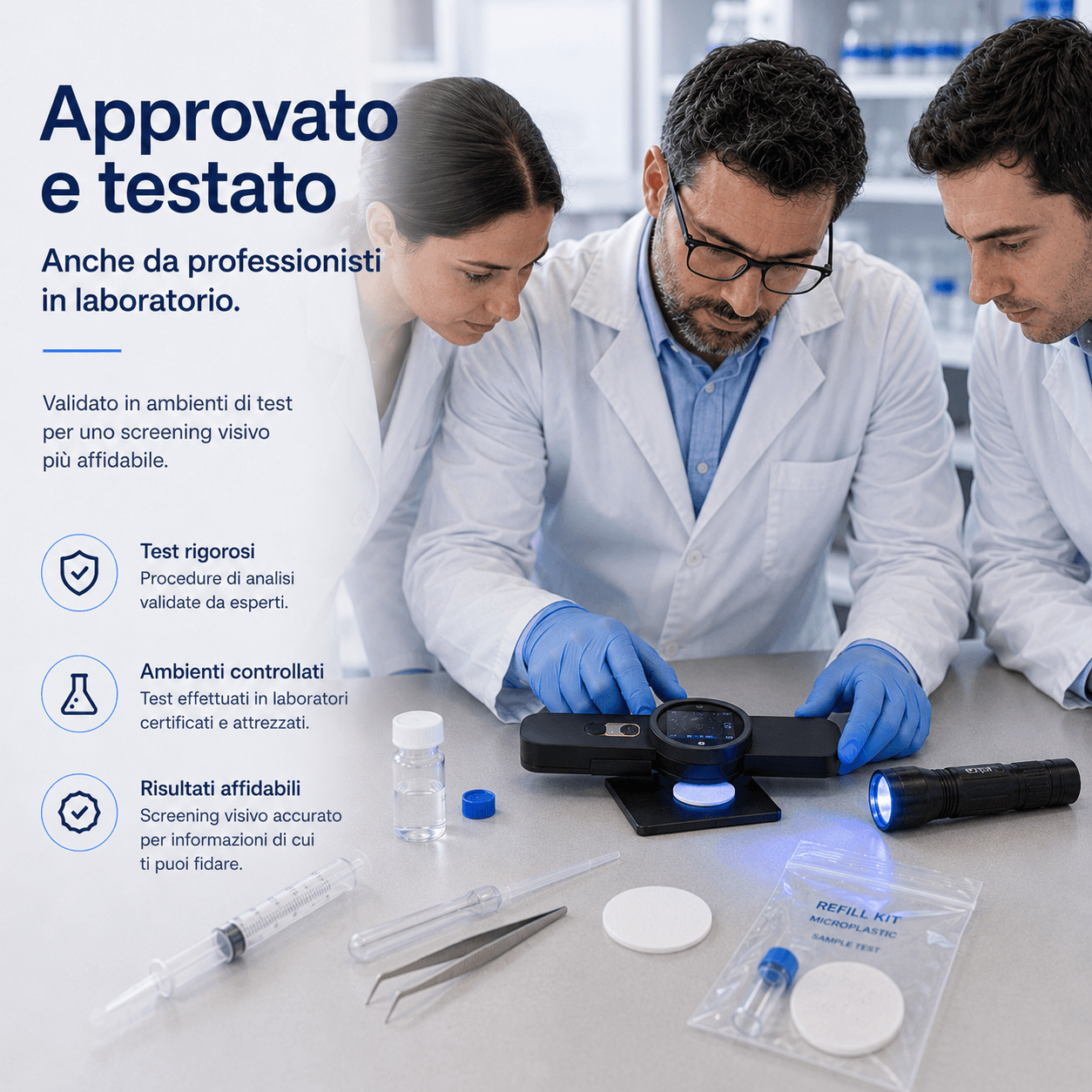
L'obiettivo di MP SCAN è aumentare consapevolezza e capacità di screening visivo nei contesti in cui serve mostrare, non solo spiegare.
MP SCAN è uno strumento di screening visivo — non un'analisi di laboratorio.
Cosa fa MP SCAN
- Esamina campioni d'acqua preparati
- Rende visibili particelle e strutture microscopiche
- Fornisce un riscontro visivo chiaro e immediato
- Supporta demo, formazione e scelte informate
Cosa MP SCAN non è
- Non è un test di laboratorio
- Non identifica chimicamente i polimeri
- Non quantifica né valuta il rischio
- Non è un dispositivo medico
Per partner e rivenditori
Uno strumento tecnico che lavora anche come strumento commerciale.
Mostrare un campione preparato cambia la conversazione: il cliente smette di dover immaginare il problema e comincia a vederlo.
Demo più concrete
Mostrare un campione preparato rende l'argomento tangibile, senza doverlo spiegare a parole.
Una conversazione diversa
Un riscontro visivo aiuta a spostare il discorso dal prezzo al problema da risolvere.
Continuità operativa
Programmare i riordini in anticipo evita che il materiale per le demo finisca nel momento sbagliato.
Offerta ripetibile
Un dispositivo riutilizzabile più consumabili è una struttura commerciale semplice da scalare.
Recensioni verificate
Pubblicheremo qui solo recensioni verificate di clienti reali, appena ci saranno. Nel frattempo questo spazio resta vuoto.
Domande frequenti
Se manca qualcosa, scrivici: rispondiamo prima dell'ordine, non dopo.
Cosa include lo Starter Kit?
Il dispositivo MP SCAN riutilizzabile, 4 refill inclusi (4 demo), gli accessori per il prelievo del campione, il cavo di ricarica USB-C e i materiali di avvio rapido. Pagamento unico, nessun abbonamento.
Quante demo posso fare con i test inclusi?
Ogni test corrisponde a una demo. Lo Starter Kit include 4 test, pronti all'uso dal primo giorno.
Come funziona il codice sconto?
Il codice SERGIO100 applica uno sconto di €100 sul prezzo pieno dello Starter Kit. Si inserisce nel buy box, prima di procedere al pagamento.
Posso comprare solo i test?
I test singoli avranno una pagina dedicata. Questa pagina serve ad acquistare il dispositivo MP SCAN.
Il dispositivo è riutilizzabile?
Sì. Il lettore ottico è progettato per un uso ripetuto: si sostituiscono solo i refill, che sono i consumabili del sistema.
I refill sono compatibili con ogni dispositivo MP SCAN?
Sì, i refill funzionano con qualsiasi dispositivo MP SCAN.
MP SCAN identifica chimicamente le particelle?
No. MP SCAN è un sistema di screening e visualizzazione: rende osservabili particelle e strutture in un campione preparato. Determinare la composizione polimerica richiede analisi di laboratorio dedicate.
In quali contesti si può usare?
Demo commerciali, formazione, divulgazione e screening visivo sul campo. Non sostituisce un'analisi di laboratorio né costituisce un dispositivo medico.
Porta le tue demo a un livello superiore.
Starter Kit disponibile ora, in pre-order limitato per l'Italia.